Spring Parasite Bloom Warning
As water temperatures consistently cross the 50°F (10°C) threshold, opportunistic parasitic activity (Costia, Trichodina) accelerates. We recommend immediate prophylactic skin scrapes.
Schedule ScreeningStay informed on regional water quality trends, seasonal prophylactic recommendations, and advancements in our diagnostic laboratory capabilities.
Time-sensitive advisories and protocol adjustments based on current environmental data and clinical observations.
As water temperatures consistently cross the 50°F (10°C) threshold, opportunistic parasitic activity (Costia, Trichodina) accelerates. We recommend immediate prophylactic skin scrapes.
Schedule Screening
Our facility has integrated a new rapid PCR diagnostic suite, reducing turnaround times for Koi Herpesvirus (KHV) and Carp Edema Virus (CEV) detection to under 48 hours.
Read Full Details
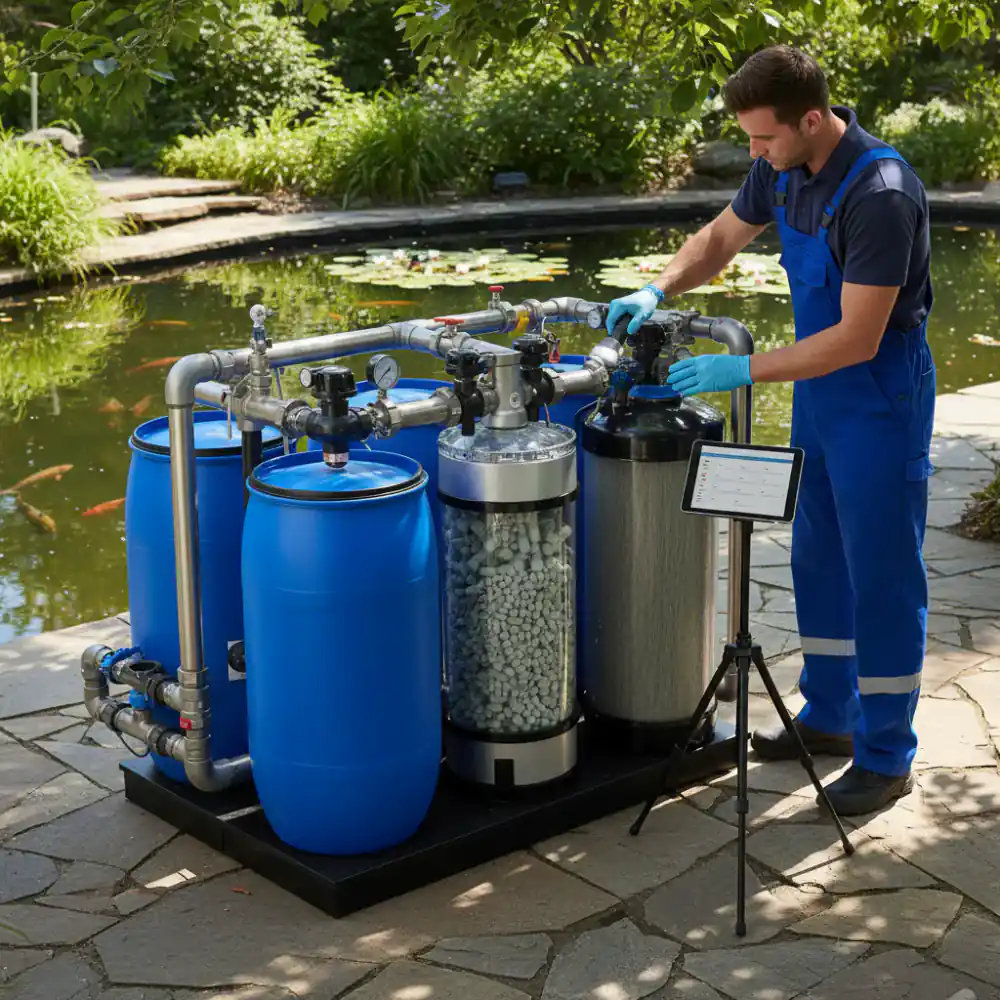
Guidelines for safely bringing dormant biological filtration systems back online without causing lethal ammonia spikes or disrupting the nascent nitrogen cycle.
Join Upcoming WebinarActively monitored regional aquaculture averages and expert-recommended action thresholds to prevent environmental stress and immunosuppression in your stock.
Begin transitioning to easily digestible spring germ diets to prevent fatal gut impaction as metabolism restarts.
Ensure vigorous aeration. Nighttime oxygen depletion risks increase dramatically as water warms and algae blooms.
Strictly monitor free ammonia (NH3) during filter reactivation. Even low trace amounts damage gill epithelia.
Daily pH swings exceeding this margin indicate low carbonate hardness (KH). Buffer immediately to prevent crash.
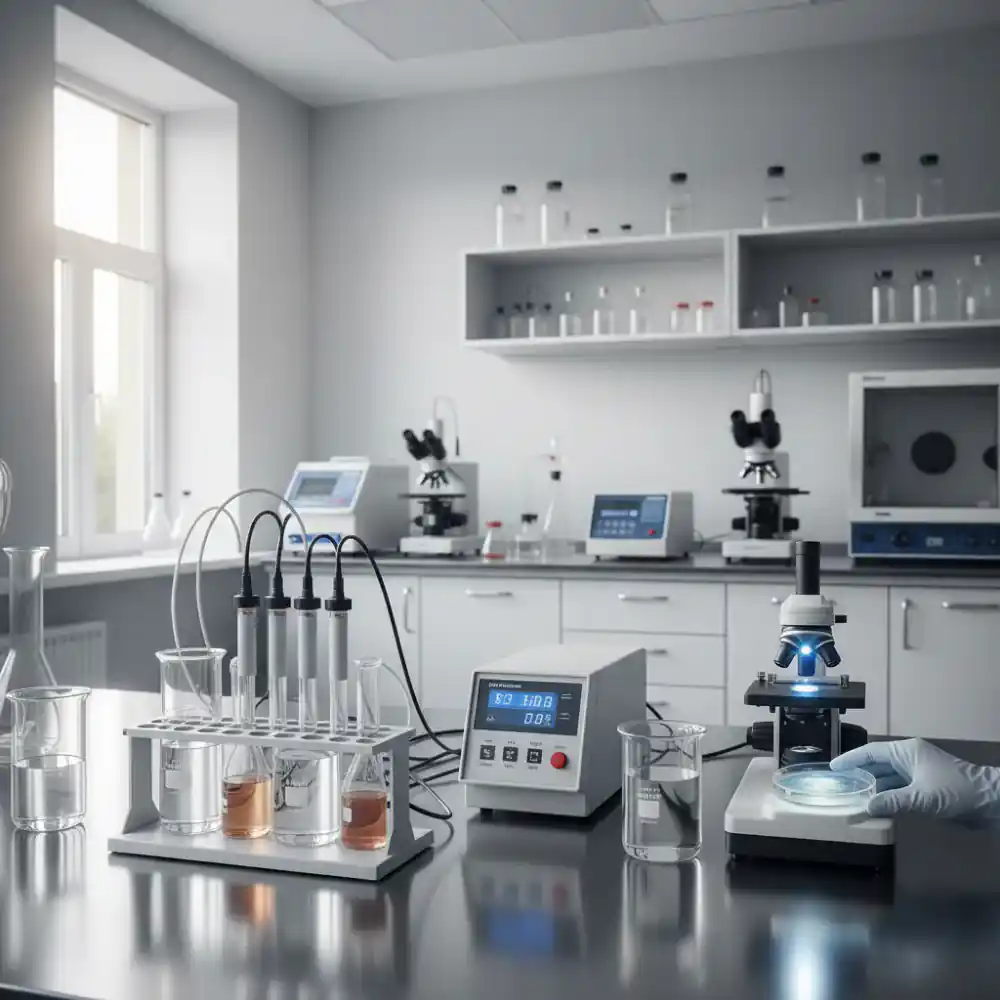
Early detection is the cornerstone of aquatic veterinary medicine. We are proud to announce the integration of a state-of-the-art Polymerase Chain Reaction (PCR) diagnostic suite directly at the PondGuard facility.
Previously, confirming viral pathogens like Koi Herpesvirus (KHV) or Carp Edema Virus (CEV/Sleepy Disease) required shipping samples to off-site laboratories, often delaying critical isolation and treatment protocols by up to a week.
With our new in-house suite, definitive viral screening can now be completed in under 48 hours. This drastically improves the survivability rates for affected collections and ensures secure, evidence-based quarantine procedures for newly introduced specimens.
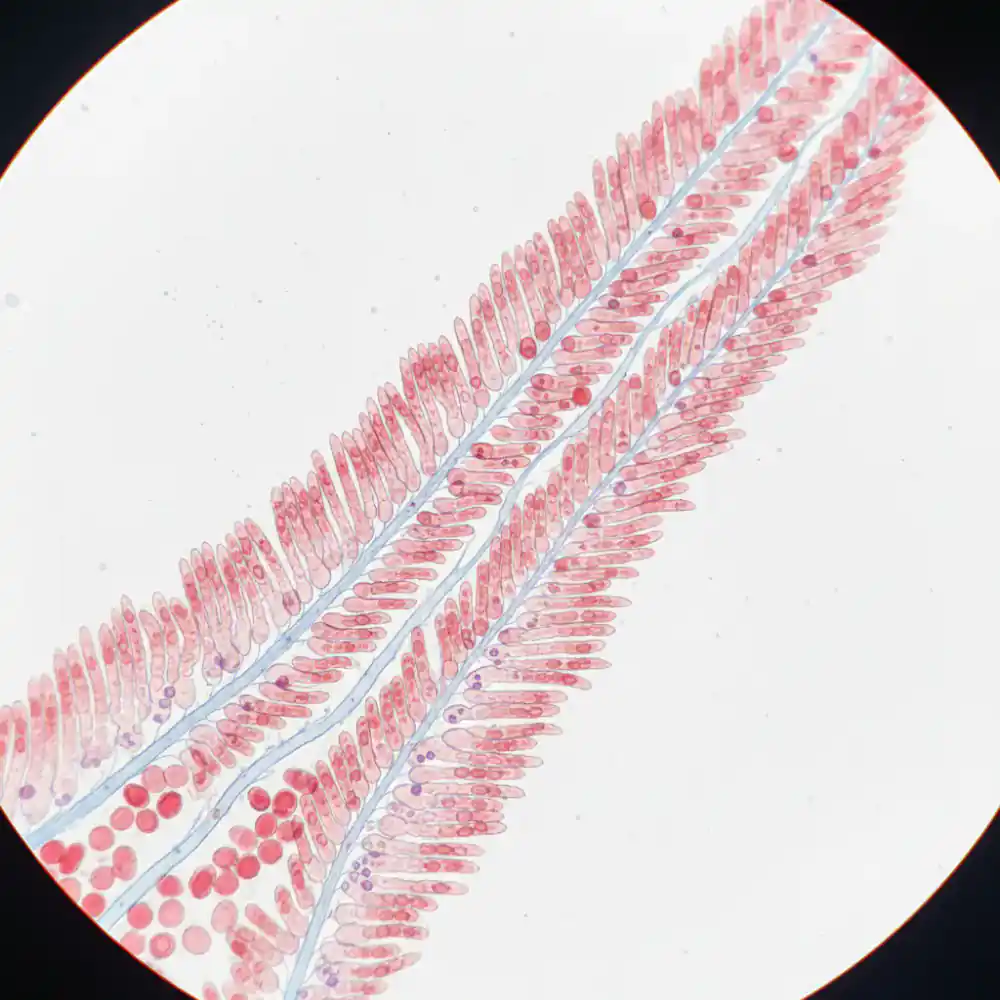
Free educational sessions for hobbyists and aquaculture professionals led by our veterinary staff.
Learn to perform basic skin scrapes and identify common flagellates and ciliates under a microscope.
Virtual Webinar (Zoom)Establishing rigorous quarantine systems to prevent the introduction of viral pathogens into existing collections.
Virtual Webinar (Zoom)Proper nutrition management is critical to disease prevention. Feeding high-protein diets when water temperatures are too low can lead to fatal aeromonas infections secondary to gut impaction.
Have a specific question regarding a recent alert, or need to schedule a prophylactic screening? Reach out to our veterinary team.
* For active disease outbreaks with high mortality, please mark your message as "URGENT" in the subject line. We prioritize triage for acute cases.